
How Solar Panels Affect Your Home Value
Solar panels can genuinely raise what a home sells for, but only under the right conditions. The research is clear on the premium for owned systems, and just as clear that leased panels are a different situation entirely. Here's what the actual studies found.
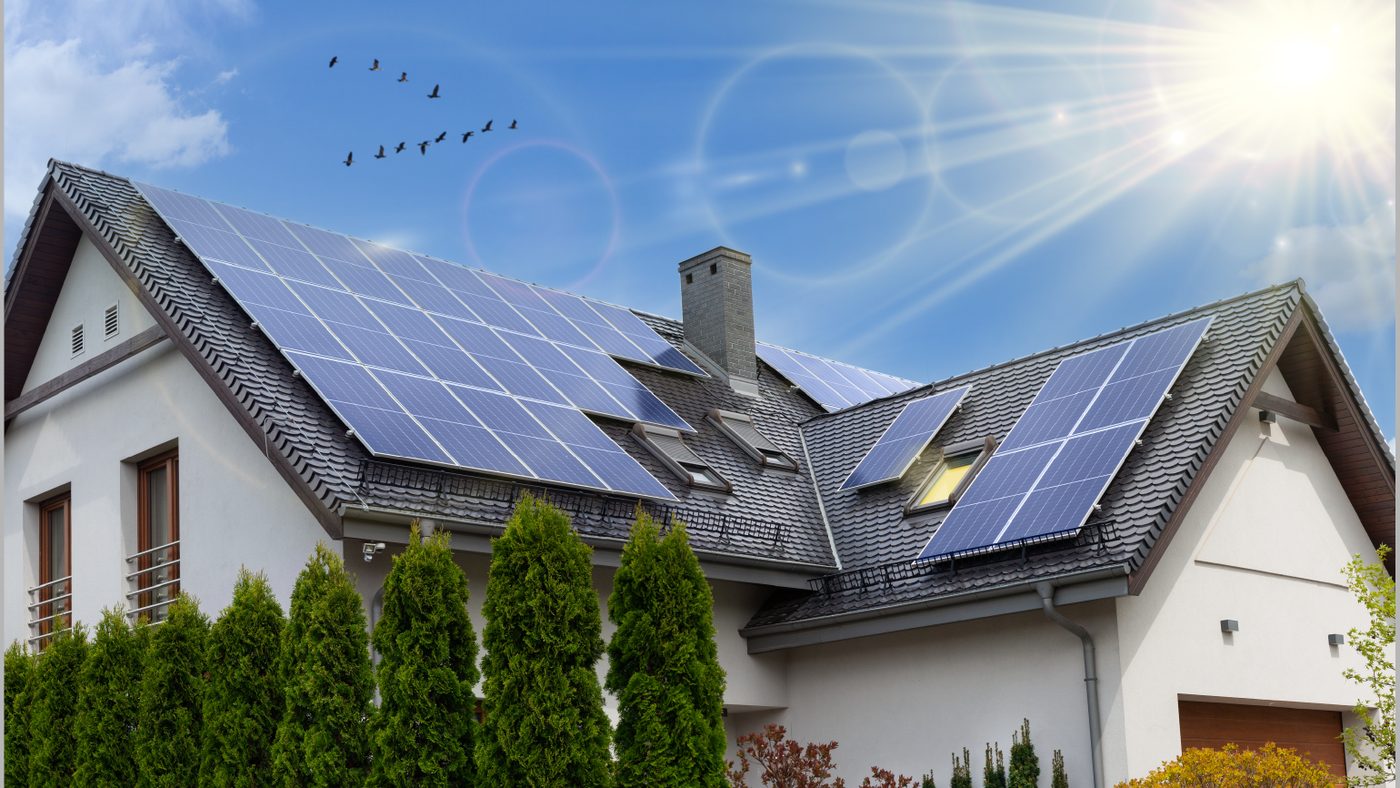
The short answer
If you own your solar system outright, or financed it with a loan secured to the home, it typically adds real, appraisable value, and buyers have consistently paid more for homes that have it. If the panels are leased or under a power purchase agreement (PPA), the answer flips: most appraisers assign them little to no added value, and the lease itself can complicate the sale. Ownership structure matters more than almost anything else in this equation.
What the research actually shows
Zillow reached its 4.1% figure by comparing homes with and without solar that sold over a 12-month period, controlling for bedrooms, bathrooms, square footage, age, and location. The Lawrence Berkeley National Laboratory study took a different approach entirely, analyzing nearly 22,000 home sales (about 4,000 with solar) across eight states, then confirming the result by having seven independent appraisers in six states value the same homes using standard paired-sales methodology. Two different research teams, two different methods, landing on the same basic conclusion: owned solar adds real, measurable value.
A more recent industry analysis by a solar marketplace site put the number higher, around 6.9%, using a similar method to Zillow's original study on more recent sales data. It points in the same direction, but since it comes from a company in the solar industry rather than an independent research source, it's worth treating as a directional signal rather than the number to build expectations around.
Owned and financed panels vs. leased panels
This is the part that trips up a lot of homeowners. If you own the system, or financed it with a loan attached to the home, it's treated like any other home improvement: an appraiser can assign it value, and that value can show up in the sale price.
Leased panels and power purchase agreements work differently. Because the homeowner doesn't actually own the equipment, appraisers generally don't assign it any added value at all, the panels are effectively invisible to the appraisal. Worse, the lease becomes something the buyer has to actively take on: they need to separately qualify for the lease assumption (a credit check through the solar company, on top of their mortgage approval), and many leases include payment escalator clauses that raise the monthly cost 1-3% a year. None of that helps a sale move faster or a price go higher. In practice, a leased system is far more likely to be a complication to negotiate around than a selling point.
Why the premium swings so much by market
Zillow's data shows the solar premium isn't a flat number nationwide. In the greater New York City area, solar-powered homes sold for about 5.4% more, roughly $23,989 for a typical home there. In Riverside, California, the premium was closer to 2.7%, about $9,926 for that market's typical home. Los Angeles, San Francisco, and Orlando all landed around 4%.
The pattern tracks with what you'd expect: markets with higher electricity costs and strong buyer demand for energy efficiency see a bigger premium, because the future savings are worth more to the next buyer. This is exactly the kind of local nuance a national average can't capture on its own, and it's where a local agent's read on your specific market matters more than any published percentage.
Frequently asked questions
Do solar panels increase home value?
Yes, when they're owned outright or financed with a loan tied to the home. Zillow's research found homes with owned solar sold for about 4.1% more nationally, and a Lawrence Berkeley National Laboratory study independently found buyers paid roughly $4 more per watt of installed solar, about $15,000 for a typical system.
Do leased solar panels hurt your home's resale value?
They don't typically add appraised value, since the homeowner doesn't own the equipment, and they can complicate a sale. A buyer has to separately qualify to take over the lease, and many leases include annual payment increases, which can make a home less attractive to price-conscious buyers.
How much value do solar panels add to a house?
Zillow's research put it at 4.1% of sale price nationally (about $9,274 for a median-priced home), and Lawrence Berkeley National Laboratory found roughly $4 per watt, about $15,000 for an average-sized system. Both figures apply to owned systems, not leased ones.
Does location affect how much solar adds to home value?
Yes, significantly. Zillow found the premium ranged from about 2.7% in Riverside, California to 5.4% in the greater New York City area, generally tracking with local electricity costs and buyer demand for energy efficiency.
Curious what your home is actually worth?
Get a free home value report reviewed by a local real estate professional, no obligation.
Get My Free Home ValueSources, current as of August 2026: Zillow Research: Homes With Solar Panels Sell for 4.1% More · Lawrence Berkeley National Laboratory: Price Premiums for U.S. Solar Home Sales